
Break the Cycle - Heal Generations in Los Angeles
Transform inherited trauma patterns into generational healing and resilience
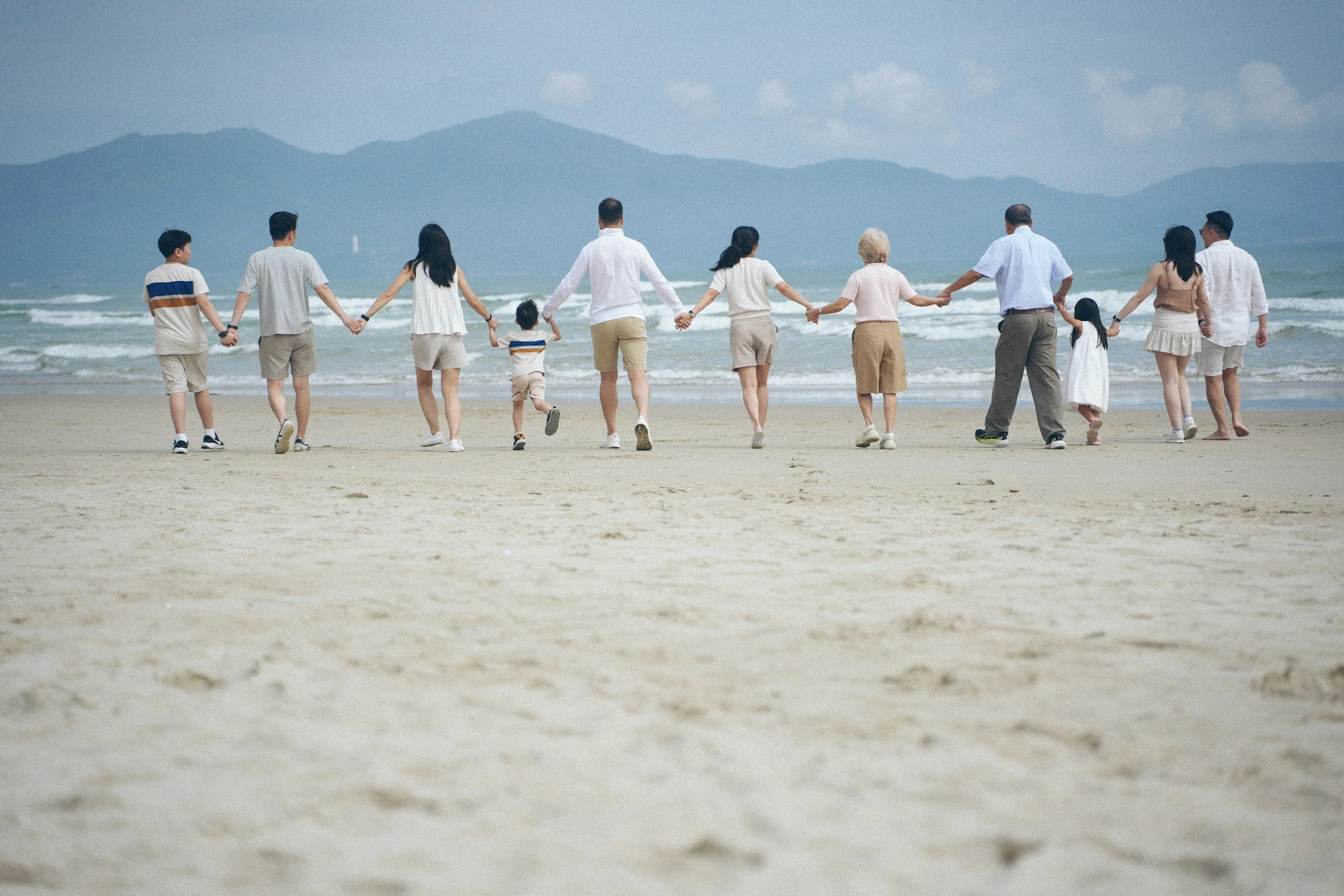
Have you ever noticed familiar patterns repeating in your family?
Perhaps the same struggles with anxiety, relationship difficulties, or emotional reactivity that affected your parents now show up in your own life, or worse, you see them emerging in your children.
This painful recognition that trauma doesn't end with one generation can feel overwhelming, but it's also the first step toward profound healing.
At The Center for Healing and Personal Growth in Los Angeles, we specialize in helping individuals and families break these intergenerational cycles.
Our trauma-informed approach recognizes that family patterns often stem from unresolved trauma passed down through generations, whether from war, immigration, abuse, poverty, or other significant life experiences. We understand that healing isn't just about your own recovery; it's about transforming your entire family lineage.
Located in West Los Angeles, we serve the diverse communities of our city, honoring the unique cultural and historical traumas that different families carry. Our multilingual team understands how cultural context shapes both the transmission of trauma and its healing, providing culturally responsive care that respects your family's heritage while creating space for transformation.
WHAT TO EXPECT
Intergenerational trauma healing is a specialized therapeutic approach that addresses how traumatic experiences and their effects are transmitted from one generation to the next through family systems, behaviors, and even biological mechanisms.
Unlike traditional individual therapy that focuses solely on your personal experiences, this work examines the broader family context to understand how ancestral trauma continues to influence current relationships, parenting styles, and life patterns.
Our comprehensive approach begins with understanding your family's unique trauma history, including immigration experiences, historical events, family secrets, and patterns of coping that have been passed down. We help you identify which inherited patterns serve you and which need transformation. Through evidence-based modalities including EMDR, Internal Family Systems, and family therapy approaches, we address trauma at its roots rather than just managing symptoms.
The healing process involves developing awareness of unconscious family patterns, processing inherited emotional wounds, and creating new, healthier ways of relating within your family system. We work with individuals, couples, and entire families to interrupt the transmission of trauma and establish patterns of resilience, emotional regulation, and secure attachment that will benefit future generations.
Our Los Angeles location allows us to work with families from diverse backgrounds, understanding how cultural trauma, immigration experiences, and historical events have shaped family systems across generations. We recognize that healing happens within a cultural context and honor the strength and wisdom your ancestors provided while helping transform the pain they couldn't resolve.
Break the Cycle - Heal Generations
Benefits of Intergenerational Trauma Therapy
-
Many families find themselves trapped in repeating cycles, the same conflicts, the same emotional reactions, the same struggles playing out generation after generation. Perhaps anxiety, depression, or relationship difficulties seem to run in your family, or you notice yourself responding to your children the way your parents responded to you, despite promising you'd do things differently. These patterns often stem from unresolved trauma that gets passed down through family systems.
In Los Angeles, where families come from diverse backgrounds with varied trauma histories, from Holocaust survivors to refugees from various conflicts, from families affected by systemic racism to those impacted by poverty or addiction, we understand that each family's patterns are unique. Our specialized approach helps you identify the specific ways trauma has shaped your family system and provides tools to consciously choose different responses.
Through intergenerational trauma healing, you develop the awareness to pause destructive patterns before they continue to the next generation. You learn to recognize triggers rooted in ancestral trauma and respond from your authentic self rather than inherited fear or pain. This creates space for genuine connection and healthier relationships within your family system.
-
One of the most powerful aspects of intergenerational healing is how it simultaneously addresses your own childhood wounds while preventing their transmission to your children. Many parents in Los Angeles struggle with the realization that their unhealed trauma is affecting their parenting, despite their best intentions to provide better for their children than they received.
When you carry unresolved trauma from your own childhood, it often gets activated in parenting situations, causing you to react from fear, control, or emotional overwhelm rather than conscious choice. This might look like becoming overly anxious about your child's safety, struggling with boundaries, or finding yourself using the same hurtful words your parents used, even though you swore you never would.
Our approach helps you heal these childhood wounds while developing new parenting patterns rooted in security and emotional regulation. As you process your own inherited trauma, you naturally become more present and attuned to your children's needs. You break cycles of emotional neglect, harsh criticism, or anxious overprotection, replacing them with the secure attachment and emotional safety your children need to thrive.
-
Many families carry deep shame about their history, shame about survival choices their ancestors made, about cultural identity, about past family struggles with addiction, mental illness, or other challenges. This inherited shame often goes unspoken but profoundly affects how family members see themselves and their worth. In our diverse Los Angeles community, we frequently see how historical trauma and cultural shame impact multiple generations.
Intergenerational trauma healing helps transform this inherited shame into understanding and strength. When you learn about the historical and cultural context of your family's experiences, you develop compassion for the survival strategies your ancestors used. What might have looked like weakness or dysfunction often reveals itself as incredible resilience under impossible circumstances.
This transformation from shame to strength has profound effects on your entire family system. Children who grow up understanding their family history with pride rather than shame develop stronger identity and resilience. They learn to see challenges as opportunities for growth rather than confirmation of inherited deficits, creating a legacy of strength that extends far beyond your immediate family.
-
Attachment patterns, the ways we learned to connect and relate to others in our earliest relationships, are often passed down through families like invisible inheritance. If your parents struggled with emotional availability, boundaries, or consistent nurturing due to their own unhealed trauma, you likely inherited these attachment challenges. Without conscious healing, these patterns continue to affect your relationships and parenting.
Los Angeles families often carry attachment wounds from various sources: immigration trauma that required emotional shutdown for survival, historical trauma that made trust dangerous, or family systems where emotional needs couldn't be safely expressed. These survival adaptations served important purposes but may no longer serve your family's wellbeing.
Through intergenerational healing, you develop the secure attachment that may have been missing from your family line. This means learning to regulate your own emotions, communicate needs clearly, and provide consistent emotional safety for your family members. As you heal your own attachment wounds, you naturally become more capable of creating the secure bonds that help all family members thrive.
-
Many Los Angeles families carry the weight of historical traumas, the Holocaust, genocide, slavery, internment, immigration trauma, or systematic oppression that continue to affect family functioning generations later. These large-scale traumas often go unprocessed because survival required moving forward, but their effects linger in family anxiety, hypervigilance, difficulty trusting others, or struggles with cultural identity.
Cultural trauma healing requires both individual therapy and broader family understanding of how historical events shaped your ancestors' choices and coping mechanisms. We help you honor the resilience your family demonstrated while processing the pain they couldn't address. This might involve grieving losses your grandparents never had space to grieve or understanding how their survival strategies still influence your family's emotional patterns.
This healing process helps you reclaim cultural pride while releasing inherited fear and hypervigilance that may no longer serve your family's well-being. You learn to carry your cultural heritage as a source of strength rather than a burden of unprocessed pain, creating space for your children to embrace their identity with confidence and joy.
-
Perhaps the most profound aspect of intergenerational healing is recognizing that your healing work extends far beyond your own lifetime. Every pattern you break, every emotional skill you develop, every bit of trauma you process becomes part of the emotional legacy you pass to your children and grandchildren. Instead of inheriting anxiety, depression, or relationship difficulties, future generations inherit emotional tools, resilience, and secure attachment.
This perspective transforms personal healing from individual self-care into sacred family work. When you heal your trauma responses, your children learn emotional regulation. When you develop healthy boundaries, they learn self-respect. When you process inherited grief or anger, you free them from carrying emotional burdens that were never theirs to bear.
Many of our Los Angeles clients find deep motivation in this generational perspective. Parents who struggled to prioritize their own healing find new commitment when they understand how their personal work creates safety and opportunity for their children. The investment you make in healing today becomes compound interest for generations of family members who will benefit from the emotional health and relational skills you develop.
How We Do It
-
Work one-on-one to understand how family patterns and ancestral trauma show up in your personal life. Through specialized approaches including EMDR and Internal Family Systems, we help you identify inherited emotional patterns, process generational wounds, and develop healthier ways of relating to yourself and others. This individual work often serves as foundation for broader family healing.
-
Comprehensive assessment of your family system to identify how trauma, coping mechanisms, and relational patterns have been transmitted across generations. We explore family history, cultural context, and current dynamics to create a clear map of patterns that serve your family and those ready for transformation.
-
Bring multiple generations together to address patterns affecting the entire family system. These sessions help family members understand each other's experiences, heal old wounds, and establish healthier communication patterns. Particularly powerful for families ready to address long-standing conflicts or secrets that have affected multiple generations.
-
Specialized support for families processing historical and cultural traumas specific to their heritage and community. Our culturally responsive approach honors your family's cultural identity while providing space to heal from collective traumas that may still impact family functioning and wellbeing.
-
Focused support for parents wanting to break cycles of inherited parenting patterns. Learn to recognize when your childhood wounds get triggered in parenting situations and develop conscious responses rooted in emotional safety and secure attachment rather than reactive patterns from your own upbringing.
Our Process
Step 1: Family History Assessment
We begin with a comprehensive exploration of your family's trauma history, cultural background, and intergenerational patterns. This includes creating a genogram (family tree) that maps not just family relationships but also trauma experiences, coping strategies, and emotional patterns across generations. You'll gain clarity about which family patterns serve you and which need healing.
Step 2: Individual Trauma Processing
Before addressing family patterns, we help you process your own inherited trauma using evidence-based approaches like EMDR and somatic techniques. This individual healing creates the emotional stability needed to engage family patterns consciously rather than reactively. You develop tools for emotional regulation that become resources for your entire family system.
Step 3: Pattern Interruption and New Response Development
Once you understand your family patterns and have processed personal trauma, we work on consciously interrupting destructive cycles and creating new responses. This involves practicing new ways of relating, communicating, and responding to triggers that break inherited patterns and establish healthier family dynamics.
Step 4: Integration and Legacy Planning
The final phase focuses on integrating your healing into daily family life and consciously creating the emotional legacy you want to pass to future generations. We help you establish new family traditions, communication patterns, and ways of handling conflict that support ongoing healing and resilience for generations to come.
Our Approach to Intergenerational Trauma Therapy
Our approach to intergenerational trauma healing is deeply rooted in understanding that trauma doesn't exist in isolation; it lives within the context of family systems, cultural history, and community experience.
Dr. Ronit Farzam and our team bring both professional expertise and personal understanding of how trauma moves through generations, having witnessed and experienced the profound impact of historical events on family functioning across multiple generations.
We integrate evidence-based trauma therapies with family systems approaches, recognizing that individual healing and family healing are interconnected processes. Our trauma-informed methodology addresses both the neurobiological impacts of inherited trauma and the relational patterns that maintain traumatic cycles within families. This means working with both your nervous system's inherited hypervigilance or emotional shutdown and the family communication patterns that may perpetuate these responses.
Cultural responsiveness is essential to our work, as we understand that trauma healing must honor the cultural context within which family patterns developed. In Los Angeles, we work with families from incredibly diverse backgrounds, each carrying unique histories of migration, persecution, loss, and resilience. Our multilingual team can provide therapy in English, Persian, and Spanish, ensuring that the subtle nuances of cultural trauma can be processed in the language that best expresses your family's experience.
We believe that intergenerational healing is sacred work that extends far beyond individual therapy. When you heal inherited trauma patterns, you not only free yourself from unconscious burdens but also create emotional freedom for future generations. This perspective infuses our work with deep meaning and helps sustain the courage needed for this profound healing journey.
Frequently Asked Questions
The Center for Healing and Personal Growth has served the Los Angeles community since its founding by Dr. Ronit Farzam, who brings both professional expertise and personal experience with intergenerational trauma healing. Located in West Los Angeles, we specialize in trauma-informed, culturally responsive therapy that honors the diverse backgrounds of our community.
-
Common signs include repeating patterns of anxiety, depression, or relationship difficulties across generations; family secrets or topics that can't be discussed; extreme reactions to certain situations that seem disproportionate; or feeling like you're repeating your parents' patterns despite trying to do things differently. Many Los Angeles families also carry cultural or historical trauma from immigration, war, or systematic oppression that affects multiple generations.
-
Yes, healing can begin with just one family member. When you break inherited patterns and develop healthier responses, it naturally shifts the entire family system. Other family members often become curious about the changes they see in you. However, the most comprehensive healing happens when multiple family members participate in the process together.
-
The timeline varies depending on the complexity of family trauma and your specific goals. Individual pattern awareness often develops within the first few months, while deeper trauma processing and establishing new family patterns typically take 6-18 months. Many families continue periodic sessions to support ongoing growth and address new life transitions.
-
While family therapy addresses current family dynamics, intergenerational trauma healing specifically focuses on how past trauma continues to affect present relationships. We examine patterns across multiple generations, process historical and cultural trauma, and work to heal wounds that may have originated decades or generations ago but still impact current family functioning.
-
Our team understands that cultural trauma requires both individual healing and a broader understanding of historical context. We honor your cultural identity while creating space to process inherited pain. Dr. Farzam's personal experience with historical trauma and our multilingual services ensure that cultural nuances are understood and respected throughout the healing process.
