
First Responder Therapy in Los Angeles, CA
Specialized Trauma Support That Honors Your Service and Understands Your Unique Challenges
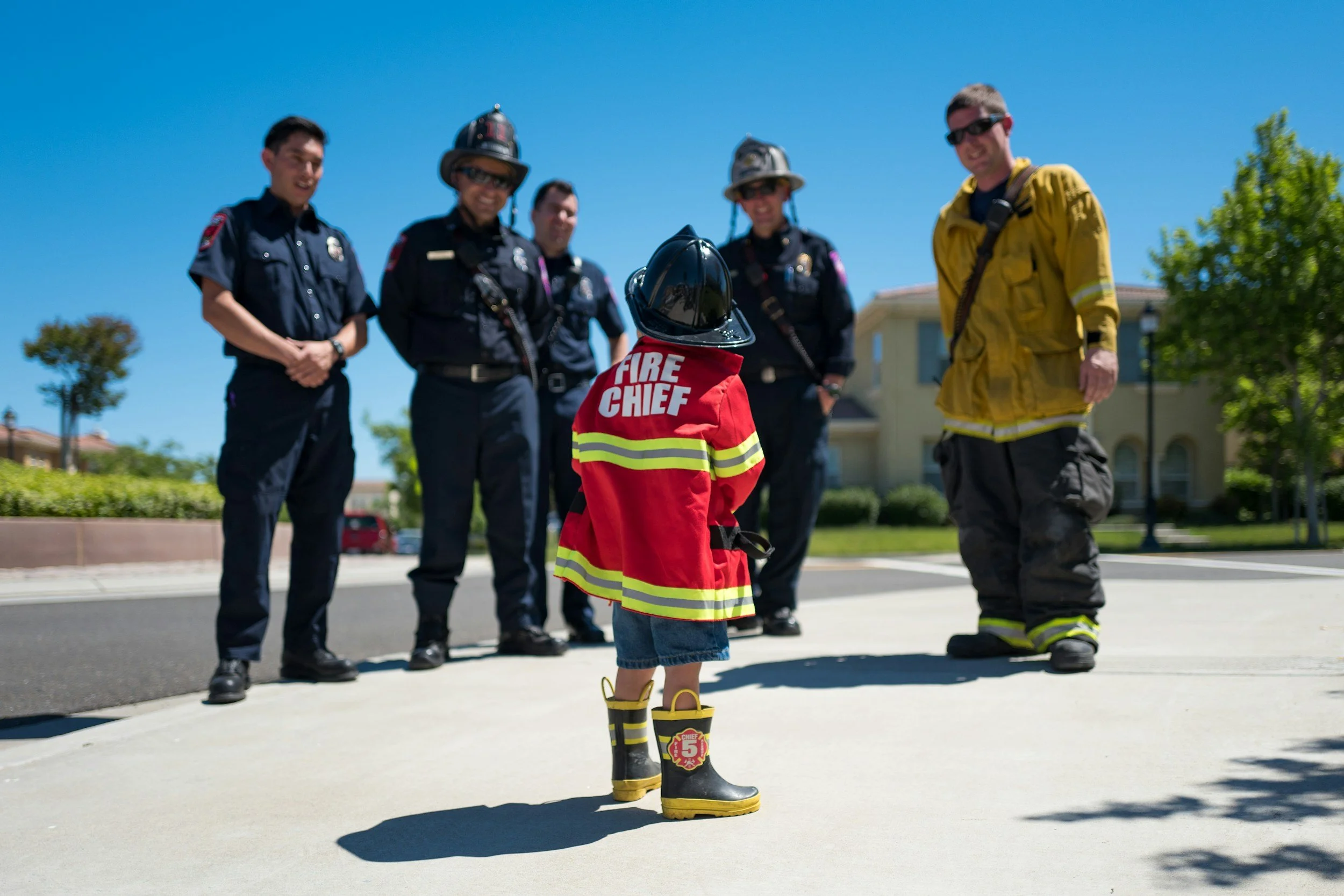
Every day, you put your life on the line to protect and serve our Los Angeles community. You witness trauma, make life-or-death decisions, and carry the weight of experiences that most people will never understand.
While your training prepared you for the physical demands of your role, the emotional and psychological impact of repeated trauma exposure can take a toll that's difficult to process alone.
Many people in West Los Angeles struggle with anxiety, often feeling trapped by racing thoughts, physical symptoms, and the exhausting cycle of "what if" scenarios that seem impossible to break.
At the Center for Healing and Personal Growth, we provide specialized therapy designed specifically for first responders like you. Our approach recognizes that your service comes with unique stressors, from hypervigilance and moral injury to the challenge of transitioning between high-stress work environments and home life. We understand the culture of strength and self-reliance that defines first responder communities, and we create a safe space where seeking help is viewed as another form of courage and service.
Located in West Los Angeles, our practice offers confidential, trauma-informed care that honors your service while addressing the specific challenges you face. Whether you're dealing with PTSD, occupational stress, relationship difficulties, or simply need support processing difficult cases, we're here to provide the specialized care you deserve.
WHAT TO EXPECT
First responder therapy is specialized mental health treatment designed to address the unique psychological challenges faced by police officers, firefighters, EMTs, paramedics, and other emergency service personnel.
Unlike general therapy approaches, our treatment specifically addresses occupational trauma, hypervigilance, moral injury, and the complex stress of regularly witnessing human suffering and crisis situations.
Our therapeutic approach integrates evidence-based trauma treatments including EMDR (Eye Movement Desensitization and Reprocessing), trauma-focused cognitive behavioral therapy, and somatic experiencing techniques. We understand that first responders often experience different types of trauma than civilians, from single critical incidents to cumulative stress from repeated exposures. Our treatment addresses both acute trauma responses and the gradual impact of occupational stress that can develop over years of service.
The therapy process is designed to fit within the realities of first responder life, including shift work, call schedules, and the need for confidentiality. We offer flexible scheduling options, including evening and weekend appointments, to accommodate your demanding schedule. Our therapists are trained to understand first responder culture, the brotherhood/sisterhood bonds, and the unique pressures of working in life-or-death situations.
We also address the secondary impacts of first responder work, including relationship stress, sleep difficulties, substance use concerns, and the challenge of processing traumatic content while maintaining professional effectiveness. Our goal is not just symptom reduction but helping you maintain your mental health throughout your career while preserving your ability to serve effectively and return home safely to your family each day.
Get Support That Understands Your Service
Benefits of First Responder Therapy
-
First responders face types of trauma that most therapists have never encountered. Our specialized approach recognizes that your trauma exposure isn't a single event but often involves repeated exposure to human suffering, violence, and life-or-death situations. We understand the difference between civilian trauma and occupational trauma, addressing issues like hypervigilance, moral injury, and the cumulative impact of critical incidents.
In Los Angeles, first responders deal with unique challenges including gang violence, natural disasters, high-stress urban environments, and diverse community needs. Our therapists are trained to understand these specific stressors and how they impact your mental health differently than other professions. We address the reality that you may need to return to potentially traumatic situations as part of your job, requiring specialized coping strategies that maintain your effectiveness while protecting your psychological well-being.
Our trauma-informed approach means we create safety first, recognizing that hypervigilance and heightened alertness that serve you well on the job may make traditional therapy settings feel uncomfortable. We work with your natural protective instincts rather than against them, helping you develop skills to manage trauma symptoms while maintaining the edge you need to stay safe and effective in your role.
-
We understand that seeking mental health support can feel risky in first responder culture, where strength and resilience are paramount. Our practice maintains the highest levels of confidentiality, understanding the concerns about how mental health treatment might impact security clearances, promotional opportunities, or peer relationships. We're experienced in navigating the complex intersection of mental health care and first responder career requirements.
In Los Angeles County, where first responder positions are competitive and closely scrutinized, we provide a safe space completely separate from your department or agency. Our location in West Los Angeles offers discretion, with private parking and scheduling options that minimize the chance of running into colleagues. We're experienced in working with various Los Angeles area departments and understand the specific confidentiality concerns related to LAPD, LAFD, LA County Sheriff, and other local agencies.
When appropriate and with your consent, we can provide documentation that supports your continued fitness for duty while ensuring you receive the care you need. We understand the difference between seeking help proactively and being mandated for treatment, and we work to support your autonomy in the healing process while meeting any professional requirements you may face.
-
First responder work doesn't follow a traditional 9-to-5 schedule, and neither should your mental health care. We offer flexible appointment times, including early mornings, evenings, and weekend sessions to accommodate rotating shifts, court dates, overtime requirements, and the unpredictable nature of emergency service work. We understand that you might need to reschedule due to critical incidents or extended shifts.
Los Angeles first responders face particularly demanding schedules, with high call volumes, traffic challenges, and diverse geographic coverage areas that can extend your work day unexpectedly. Our scheduling system is designed to work with these realities, offering both in-person sessions at our West Los Angeles location and telehealth options when you can't make it to the office due to work commitments or need to maintain distance from your usual work areas.
We also provide crisis support options for when you've experienced a particularly difficult call or critical incident. While we can't provide 24/7 crisis intervention, we have protocols in place for connecting you with immediate support resources when needed, and we work to schedule follow-up appointments quickly after traumatic incidents to help you process and prevent long-term complications.
-
Our treatment approach utilizes therapies specifically proven effective for occupational trauma and PTSD in first responder populations. EMDR (Eye Movement Desensitization and Reprocessing) has shown exceptional results for processing traumatic incidents without requiring you to relive every detail verbally. This approach is particularly effective for first responders who may have difficulty talking through traumatic experiences or who have been trained to compartmentalize emotions.
Dr. Ronit Farzam and our clinical team combine multiple evidence-based approaches, including trauma-focused cognitive behavioral therapy, somatic experiencing, and Internal Family Systems therapy. These methods address not just the psychological impact of trauma, but also the physical symptoms like hypervigilance, sleep disturbances, and stress responses that are common in first responder work. We focus on treatments that help you maintain your professional edge while processing traumatic content.
In Los Angeles, where first responders regularly deal with high-profile incidents, gang violence, natural disasters, and diverse community challenges, having access to cutting-edge trauma treatment is essential. Our methods help you develop resilience strategies that work both on and off duty, ensuring that seeking treatment enhances rather than diminishes your professional effectiveness and personal well-being.
-
First responder work impacts not just you, but your entire family. The stress of knowing your loved one faces danger, the irregular schedules, missed family events due to emergencies, and the emotional toll of your work can strain even the strongest relationships. We provide both individual support and couples/family therapy specifically designed to address these unique challenges.
Many first responder families in Los Angeles face additional stressors including high cost of living, long commutes to affordable housing, and the challenge of raising children in an urban environment while managing the demands of emergency service work. Our family therapy approach helps your loved ones understand the nature of your work stress while developing strategies for maintaining connection and intimacy despite the challenges.
We address common relationship issues specific to first responders including difficulty "turning off" hypervigilance at home, challenges with emotional expression after traumatic shifts, and the tendency to protect family from work-related stress in ways that can create distance. Our couples work helps partners understand each other's needs while developing communication strategies that strengthen rather than strain your relationship under pressure.
-
Whether you're early in your first responder career, a veteran with decades of service, or considering retirement, we provide support for every stage of your professional journey. Early career first responders need help developing healthy coping strategies and resilience skills that will serve them throughout their service. Mid-career professionals often need support in processing accumulated trauma and preventing burnout. Those approaching retirement face unique challenges transitioning away from an identity and community that has defined much of their adult life.
Los Angeles first responders face particular challenges with career longevity due to high stress levels, political pressures, and the physical demands of working in a large urban environment. We help you develop strategies for maintaining your mental health throughout your career while building a foundation for a healthy transition when you're ready to step away from active service.
Our comprehensive approach includes addressing sleep difficulties, chronic stress, hypervigilance, and the physical health impacts of first responder work. We work with you to develop personalized wellness strategies that fit within your lifestyle and professional demands, helping you not just survive but thrive throughout your career and beyond.
How We Do It
-
Immediate support following traumatic events, including officer-involved shootings, line-of-duty deaths, mass casualty incidents, or other critical incidents. We provide rapid response therapy to help process acute trauma and prevent long-term psychological complications while supporting your return to duty when appropriate.
-
Specialized treatment for Post-Traumatic Stress Disorder using evidence-based approaches like EMDR and trauma-focused cognitive behavioral therapy. We address both single-incident trauma and complex trauma from repeated exposures, helping you process difficult experiences while maintaining professional effectiveness.
-
Support for the cumulative stress of first responder work, including hypervigilance, sleep difficulties, relationship challenges, and burnout prevention. We help you develop healthy coping strategies that work with your demanding schedule and high-stress work environment.
-
Specialized couples and family therapy addressing the unique challenges first responder families face. We help strengthen relationships strained by shift work, trauma exposure, and the demands of emergency service careers while supporting your family's understanding of your work.
-
Guidance for first responders considering career changes, approaching retirement, or dealing with medical retirement due to physical or psychological injuries. We help you navigate identity changes and develop plans for life beyond active service.
Our Process
Step 1: Confidential Initial Consultation
Your journey begins with a private, confidential consultation where we discuss your concerns, service background, and treatment goals. We take time to understand your specific role, department culture, and any immediate stressors you're facing. This initial meeting helps us develop a personalized treatment approach that respects your professional needs while addressing your mental health concerns.
Step 2: Specialized Assessment and Treatment Planning
We conduct a comprehensive assessment of your trauma exposure, current symptoms, and professional requirements. This includes understanding your work environment, shift schedule, and any department-specific policies that might impact your treatment. Together, we develop a treatment plan that fits your schedule and professional obligations.
Step 3: Evidence-Based Trauma Therapy
Using approaches like EMDR, trauma-focused CBT, and somatic experiencing, we help you process traumatic experiences and develop healthy coping strategies. Sessions are scheduled to work with your shift patterns, and we provide tools you can use both on and off duty to manage stress and trauma responses effectively.
Step 4: Ongoing Support and Skills Development
Throughout treatment, we focus on building resilience skills that serve you throughout your career. We provide ongoing support for new challenges, help you maintain progress, and adjust treatment as your needs change. Our goal is to support your long-term wellness and professional effectiveness.
Our Approach to First Responder Therapy
Our approach to first responder therapy is built on deep respect for your service and understanding of the unique psychological demands you face.
We recognize that seeking mental health support requires courage in a culture that values strength and self-reliance. Our therapeutic relationship is founded on the belief that taking care of your mental health is not a sign of weakness; it's a professional responsibility that ensures you can continue serving effectively while protecting your personal well-being.
Our practice is designed to fit within the realities of first responder life in Los Angeles. We understand the demands of working in a high-stress urban environment, the challenges of shift work, and the need for complete confidentiality. Our flexible scheduling, discrete location, and trauma-informed environment ensure that seeking help enhances rather than complicates your professional life.
Most importantly, we believe in your capacity for healing and continued service. Our goal isn't just symptom reduction; it's helping you maintain your mental health throughout your career while preserving the qualities that make you effective in your role. We work with your strengths, honor your service, and provide the specialized support you deserve.
Frequently Asked Questions
The Center for Healing and Personal Growth, founded by Dr. Ronit Farzam, has been providing specialized trauma therapy to Los Angeles area first responders and community members since our establishment. Our practice combines evidence-based treatment approaches with deep respect for the unique challenges faced by those who serve and protect our community.
-
Our practice maintains strict confidentiality, and seeking proactive mental health care is increasingly recognized as a sign of professional responsibility rather than weakness. We're experienced in navigating first responder career concerns and can provide appropriate documentation when needed while protecting your privacy and career interests.
-
While our therapists may not have served as first responders, we specialize in occupational trauma and have extensive training in understanding first responder culture, stress, and trauma patterns. Our expertise lies in trauma treatment, and we work to understand your specific experiences and challenges without claiming to have lived them ourselves.
-
Absolutely. We offer flexible scheduling, including early morning, evening, and weekend appointments. We understand that emergencies, court dates, and overtime can interfere with scheduled appointments, and we work with you to reschedule as needed without penalty or judgment.
-
We have flexible policies for first responders who need to cancel due to work demands. We also prioritize scheduling follow-up appointments quickly after critical incidents when additional support might be most helpful for processing traumatic experiences.
-
We accept most major insurance plans and can also work with you on private pay options if you prefer. Insurance companies receive only the minimum information required for billing, and we can discuss options for maximizing your privacy while accessing your insurance benefits.
