
Emergency Responder Therapy in Los Angeles, CA
Specialized Mental Health Support for Those Who Serve Our Community
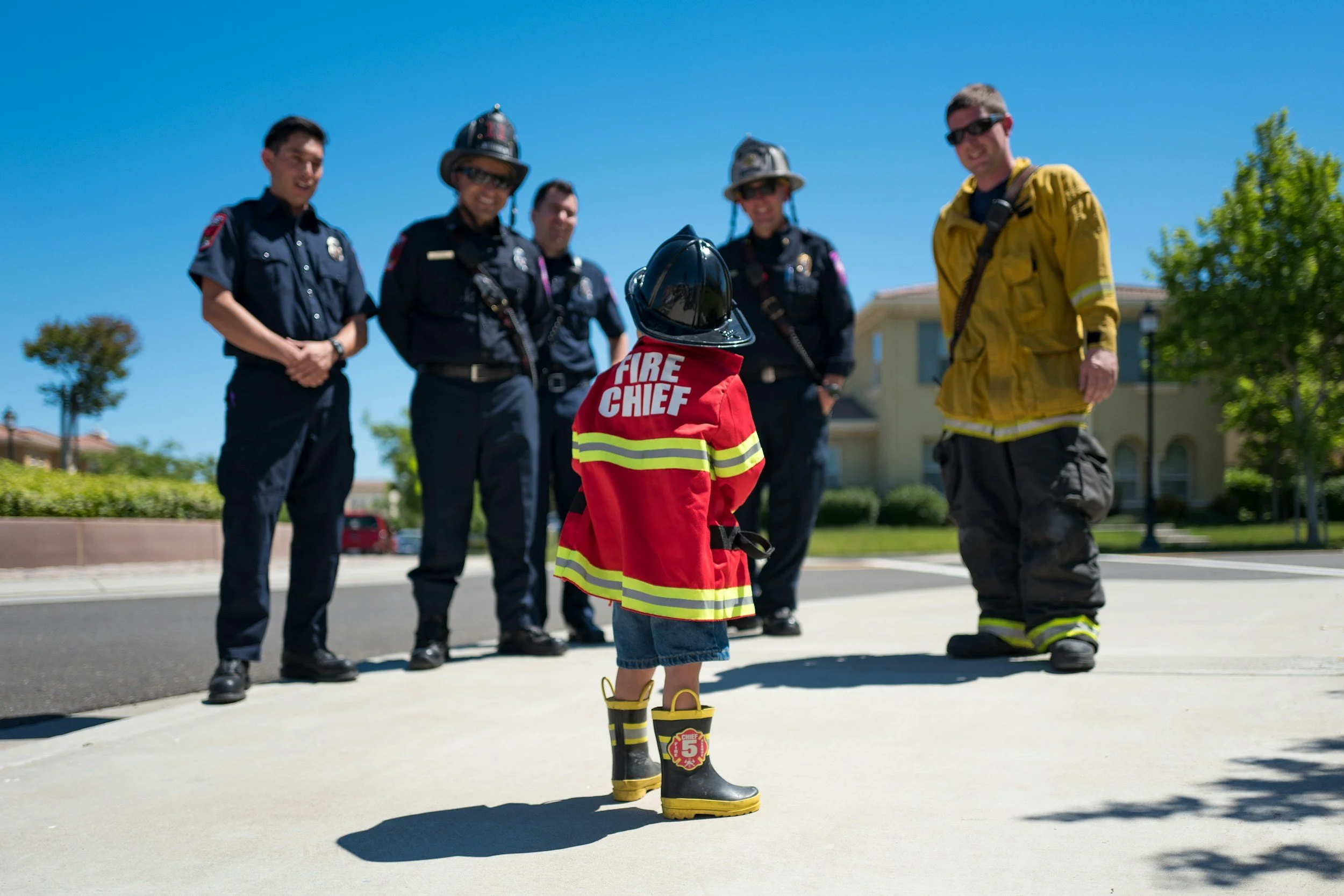
You dedicate your life to protecting and serving others, responding to crises when our community needs you most.
But who supports you when the weight of what you've seen and experienced becomes overwhelming?
Emergency responders, dispatchers, and crisis workers face unique psychological challenges that require specialized understanding and care.
At The Center for Healing and Personal Growth, we recognize that your service comes with invisible wounds that traditional therapy approaches often miss. Our trauma-informed specialists understand the specific stressors of emergency response work, the hypervigilance, the moral injury, the cumulative impact of repeated exposure to human tragedy, and the cultural pressures within first responder communities.
Located in Los Angeles, we're uniquely positioned to understand the complex challenges facing emergency responders in one of the nation's largest metropolitan areas. From the LAPD and LAFD to county paramedics and 911 dispatchers, we provide confidential, specialized support that honors your service while helping you reclaim your emotional well-being and resilience.
WHAT TO EXPECT
Emergency responder therapy is a specialized form of mental health treatment designed specifically for first responders, dispatchers, crisis workers, and others who regularly face occupational trauma.
Unlike general therapy approaches, this specialized care addresses the unique psychological impacts of emergency response work, including repeated exposure to traumatic events, shift work challenges, organizational stressors, and the cultural dynamics within first responder communities.
Our comprehensive approach integrates evidence-based trauma therapies including EMDR, trauma-focused cognitive behavioral therapy, and somatic experiencing techniques specifically adapted for emergency responders. We understand that your work involves constant exposure to human suffering, life-and-death decisions, and situations that would overwhelm most civilians. This repeated exposure can lead to compassion fatigue, secondary trauma, PTSD, depression, anxiety, substance use concerns, and relationship difficulties.
The therapeutic process begins with creating absolute safety and confidentiality. We understand the concerns about career impact and departmental culture. Our therapists are trained to work with the unique aspects of first responder culture, including the emphasis on strength and self-reliance, the close-knit nature of emergency response teams, and the potential stigma around seeking mental health support. We help you process traumatic experiences while maintaining the emotional resilience necessary for your demanding work.
Treatment focuses not just on symptom reduction but on post-traumatic growth, helping you transform difficult experiences into wisdom and strength. We address the full spectrum of occupational impacts, from sleep disturbances and hypervigilance to relationship challenges and existential questions about meaning and purpose in your work.
Get Support for Your Service Today
Benefits of Emergency Responder Therapy
-
Our therapists possess a deep understanding of the unique psychological landscape that emergency responders navigate daily. We recognize that your work involves split-second decisions with life-or-death consequences, exposure to humanity's worst moments, and the weight of community expectations.
Unlike general mental health providers who may lack this specialized knowledge, our team understands the cultural dynamics within fire departments, police agencies, EMS services, and dispatch centers. In Los Angeles, emergency responders face additional complexities including high crime rates, natural disaster preparedness, and the stressors of working in a major metropolitan area.
We understand how the 24/7 nature of emergency services impacts family relationships, sleep patterns, and personal well-being. Our therapists are trained to work within the context of shift work, mandatory overtime, and the unpredictable nature of emergency response schedules. We provide flexible scheduling options and understand that crises don't follow a 9-to-5 schedule.
-
Emergency responders experience trauma differently than the general population due to repeated exposure and the professional requirement to remain functional during traumatic events. Our trauma-informed approach addresses both direct trauma from dangerous situations you've faced and secondary trauma from witnessing human suffering repeatedly.
We utilize evidence-based treatments including EMDR, trauma-focused CBT, and somatic experiencing specifically adapted for occupational trauma. Los Angeles emergency responders deal with unique traumatic exposures including mass casualty incidents, gang violence, natural disasters like earthquakes and wildfires, and the ongoing stress of working in a high-crime urban environment.
Our treatment addresses the cumulative impact of these exposures while helping you maintain the emotional availability necessary for your work. We understand that traditional PTSD symptoms may manifest differently in emergency responders who have been trained to compartmentalize and continue functioning.
-
We understand the legitimate concerns emergency responders have about confidentiality and potential career impacts of seeking mental health support. Our practice maintains the highest standards of confidentiality while being knowledgeable about the specific requirements and concerns within first responder careers.
We provide clear information about mandatory reporting requirements and work to create the safest possible therapeutic environment. Many Los Angeles emergency responders worry about departmental cultures that may view mental health support as weakness or potential liability. Our therapists are experienced in helping first responders navigate these concerns while accessing the support they need.
We understand the importance of your security clearances, promotional opportunities, and standing within your department. Our approach helps you process traumatic experiences and develop coping strategies without compromising your professional responsibilities or career advancement.
-
Emergency response work doesn't just impact the responder, it profoundly affects spouses, children, and families who worry daily about their loved one's safety and struggle with the emotional aftermath of traumatic exposures. Our family therapy services are specifically designed for first responder families, addressing the unique challenges of loving someone in a high-risk profession.
We help families understand secondary trauma, develop healthy communication patterns, and create supportive home environments. In Los Angeles, first responder families face additional stressors including long commutes to work locations, high cost of living, and the challenge of raising children in an urban environment while managing the unpredictability of emergency response schedules.
Our couples therapy helps partners understand how occupational trauma impacts relationships and develop strategies for maintaining intimacy and connection despite shift work and emotional demands. We address common issues including emotional withdrawal, hypervigilance affecting family life, and communication breakdowns.
-
Our approach extends far beyond addressing traumatic incidents to building comprehensive emotional resilience and wellness that sustains long careers in emergency response. We focus on developing coping strategies that work within the demanding context of first responder work, including stress management techniques that can be used during shifts, mindfulness practices adapted for high-stress environments, and communication skills that enhance both professional and personal relationships.
Los Angeles emergency responders face ongoing stressors, including traffic congestion affecting response times, budget constraints impacting resources, and the constant demands of serving a diverse metropolitan population.
Our resilience-building approach helps you develop sustainable practices for managing chronic stress while maintaining peak performance. We address sleep hygiene for shift workers, nutrition strategies for irregular schedules, and relationship maintenance techniques that account for the unpredictable nature of emergency response work.
-
Our treatment approaches are grounded in research specifically focused on emergency responder mental health and occupational trauma. We utilize therapeutic modalities that have demonstrated effectiveness with first responder populations, including specialized applications of EMDR for occupational trauma, cognitive behavioral therapy adapted for emergency responders, and somatic experiencing techniques that address the physical impacts of chronic stress and trauma exposure.
Research consistently shows that emergency responders benefit from specialized treatment approaches that understand their unique exposures and cultural context. In Los Angeles, where emergency responders face high-stress urban environments and diverse traumatic exposures, evidence-based treatment becomes even more crucial.
Our team stays current with the latest research in first responder mental health and adapts treatment approaches based on emerging evidence about what works best for emergency response personnel.
How We Do It
-
Personalized one-on-one therapy addressing the specific psychological impacts of emergency response work. Our individual sessions provide a safe space to process traumatic exposures, develop healthy coping strategies, and address symptoms of PTSD, anxiety, depression, or other mental health concerns related to your work. Treatment is tailored to your specific role, experiences, and goals while maintaining absolute confidentiality and understanding of first responder culture.
-
Specialized relationship therapy designed for couples and families where one or more members work in emergency response. We address how occupational trauma impacts relationships, help families understand secondary trauma effects, and develop communication strategies that account for shift work and high-stress job demands. Our approach strengthens relationships while honoring the demands and importance of emergency response careers.
-
Desensitization and Reprocessing (EMDR) is specifically adapted for emergency responders dealing with occupational trauma. This evidence-based approach helps process traumatic memories from critical incidents while allowing you to maintain functional capacity in your work role. EMDR can be particularly effective for addressing specific traumatic events as well as cumulative stress from repeated exposures.
-
Therapeutic groups specifically for emergency responders, providing peer support and shared learning in a confidential environment. Group therapy offers the unique benefit of connecting with others who truly understand the challenges of emergency response work while learning coping strategies and processing experiences in a supportive community setting.
-
Professional psychological evaluations are designed for emergency responders, including fitness-for-duty assessments, return-to-work evaluations, and comprehensive mental health assessments. Our evaluations are conducted with a full understanding of first responder job requirements and career considerations, providing thorough and appropriate recommendations while protecting your professional interests.
Our Process
Step 1: Initial Confidential Consultation
Your journey begins with a completely confidential initial consultation where we discuss your specific concerns, work experiences, and goals for therapy. We take time to understand your role, department culture, and any specific incidents or ongoing stressors affecting your well-being. This session establishes safety and trust while assessing your individual needs and developing a personalized treatment approach. We address any concerns about confidentiality and career implications while explaining our commitment to protecting your privacy and professional interests.
Step 2: Comprehensive Assessment and Treatment Planning
We conduct a thorough assessment of how your work has impacted your mental health, relationships, and overall functioning. This includes evaluating symptoms of PTSD, depression, anxiety, substance use concerns, and relationship difficulties commonly experienced by emergency responders. Based on this assessment, we develop a personalized treatment plan that addresses your specific needs while accounting for your work schedule, family responsibilities, and career goals.
Step 3: Evidence-Based Trauma Treatment
Treatment utilizes proven approaches specifically effective for emergency responders, including EMDR for processing traumatic memories, trauma-focused cognitive behavioral therapy for developing coping skills, and somatic experiencing for addressing the physical impacts of chronic stress. Sessions are scheduled flexibly to accommodate shift work and emergency response demands. We focus on building resilience while processing difficult experiences, helping you maintain effectiveness in your crucial work.
Step 4: Ongoing Support and Wellness Planning
Beyond addressing immediate concerns, we work with you to develop long-term wellness strategies that support a sustainable career in emergency response. This includes stress management techniques, relationship communication skills, and resilience-building practices adapted for your specific work environment. We provide ongoing support as you navigate career challenges and life changes while maintaining your mental health and well-being.
Our Approach to Emergency Responder Therapy
Our approach to emergency responder therapy is built on deep respect for your service and a comprehensive understanding of the unique psychological challenges inherent in emergency response work.
We recognize that seeking mental health support requires courage, especially within cultures that emphasize strength and self-reliance. Our therapeutic philosophy centers on the belief that addressing mental health proactively is a sign of wisdom and professionalism, not weakness.
We integrate evidence-based trauma therapies with genuine understanding of first responder culture, creating treatment that honors both your psychological needs and professional identity. Our trauma-informed approach recognizes that emergency responders experience trauma differently due to repeated exposure, professional training to remain functional during crises, and the responsibility to protect and serve others even while processing their own difficult experiences.
Treatment is highly individualized, recognizing that each emergency responder brings unique experiences, strengths, and challenges. We adapt therapeutic approaches to work within the context of shift schedules, on-call responsibilities, and the unpredictable nature of emergency response work. Our therapists understand the importance of maintaining operational effectiveness while addressing mental health concerns.
Located in Los Angeles, we're particularly attuned to the specific challenges facing emergency responders in a major metropolitan area, including exposure to gang violence, natural disaster preparedness, mass casualty incidents, and the ongoing stress of serving a diverse urban population. Our approach integrates this local understanding with specialized clinical expertise to provide the most effective support possible for those who dedicate their lives to protecting our community.
Frequently Asked Questions
The Center for Healing and Personal Growth has served the Los Angeles community since its founding by Dr. Ronit Farzam, providing specialized trauma-informed mental health care. Our team of licensed clinicians brings extensive expertise in treating occupational trauma and supporting emergency responders throughout their careers.
-
Yes, therapy is completely confidential with very limited exceptions for imminent safety risks. We understand first responder concerns about career impact and maintain the highest confidentiality standards. We clearly explain any mandatory reporting requirements and work within those parameters to provide maximum privacy protection while ensuring you receive necessary support for your mental health and well-being.
-
Seeking voluntary mental health treatment typically does not negatively impact career advancement or security clearances. In fact, proactively addressing mental health demonstrates emotional intelligence and professional responsibility. We provide documentation and support as needed while protecting your privacy. Many departments increasingly recognize the importance of mental health support for optimal performance and officer safety.
-
Our team has extensive experience working with Los Angeles area emergency responders and understands the unique challenges of serving in a major metropolitan area. We're familiar with the specific stressors, including high crime rates, natural disaster preparedness, diverse population needs, traffic challenges affecting response times, and the particular demands of working in departments serving millions of residents.
-
Absolutely. We offer flexible scheduling, including early morning, evening, and weekend appointments to accommodate shift work and rotating schedules. We understand that emergencies don't follow normal business hours and work with you to maintain consistent therapy even with unpredictable work demands. We also offer telehealth options for additional flexibility.
-
Yes, we provide specialized couples and family therapy designed specifically for first responder families. We understand how emergency response work affects entire families and offer support for spouses, children, and family members dealing with the stress of loving someone in a high-risk profession. Our family therapy addresses secondary trauma, communication challenges, and relationship maintenance strategies.
