
The Psychology of Successful Sports Teams
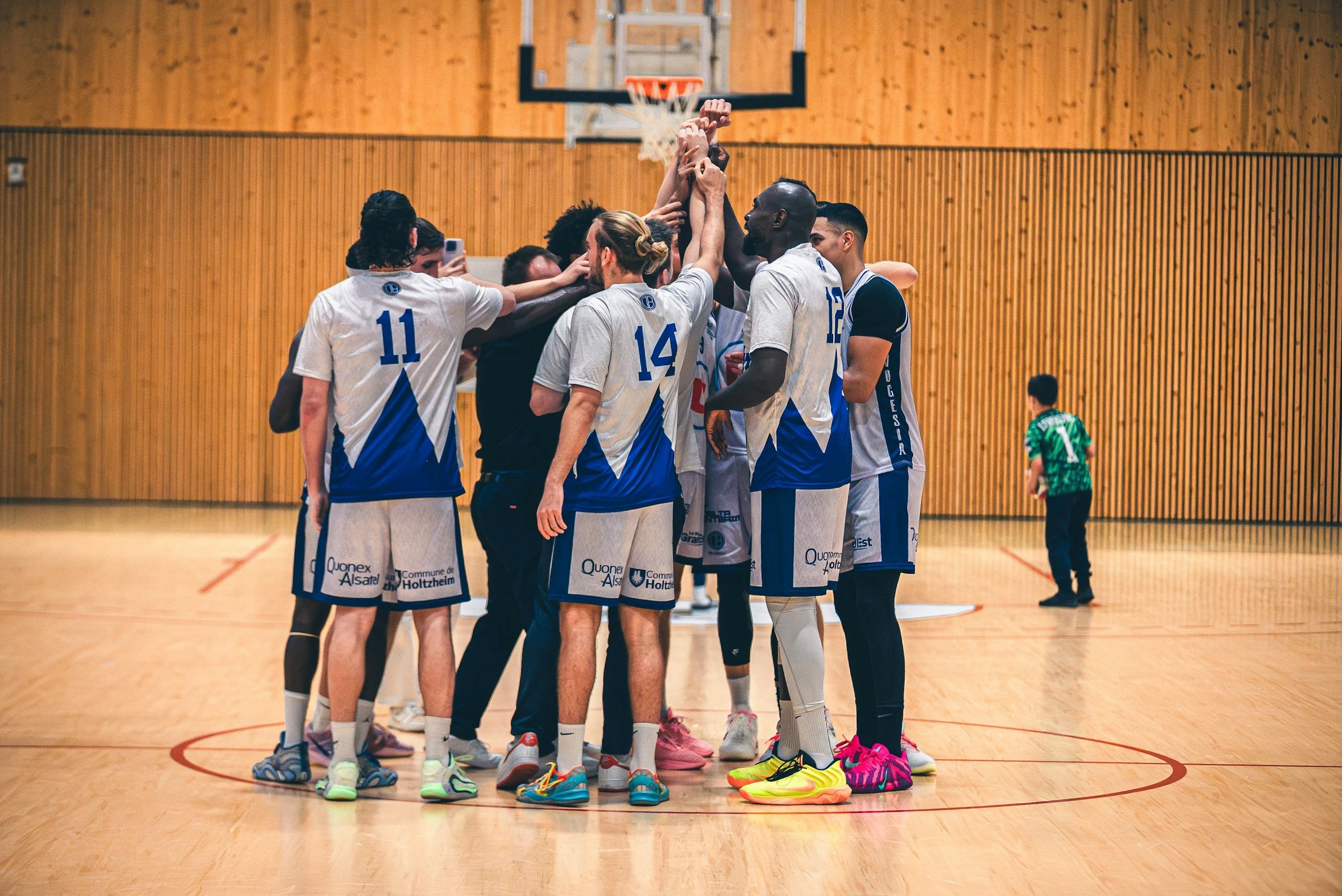
What separates a talented roster from a championship team? The answer is rarely just physical ability. Some of the most skilled lineups in sports history have underperformed, while teams with fewer individual stars have achieved remarkable things. The difference almost always comes down to psychology: how a group of individuals learns to think, communicate, and function as a cohesive unit under pressure.
At the Center for Healing & Personal Growth, we work with athletes of all ages and levels, and we have seen firsthand that the mental side of performance is often the deciding factor. Whether you are a weekend league player, a high school athlete, or a professional competitor, the psychological principles that drive successful teams have something to offer everyone, including those of us who are not on a playing field at all.
The Foundation: Psychological Safety and Trust
Before a team can perform at its best, its members need to feel safe. Not physically safe (though that matters too), but psychologically safe. Psychological safety means that each person on the team feels comfortable taking risks, making mistakes, expressing disagreement, and being honest without fear of punishment or ridicule.
Research consistently shows that this quality is one of the strongest predictors of high-performing teams, not only in sports but in every collaborative setting. Google's well-known Project Aristotle study found that psychological safety was the single most important factor in effective team functioning, ahead of individual talent, structure, and resources.
In a sports context, psychological safety looks like a point guard who feels confident calling an audible even if the play does not work out. It looks like a rookie who can ask questions without being mocked. It looks like a captain who admits when they are struggling and asks for help. When trust is present, team members spend less energy managing social risk and more energy performing.
Building this kind of trust requires intentionality. It does not happen by accident. It is cultivated through consistent behavior from leaders and teammates alike, including showing up reliably, following through on commitments, and responding to mistakes with curiosity rather than blame.
Communication: The Invisible Skill
If trust is the foundation, communication is the infrastructure. Successful teams develop communication systems that go far beyond play calls and game strategy. They learn how to give and receive feedback, how to navigate conflict productively, and how to stay connected even during difficult stretches.
One of the hallmarks of strong team communication is what psychologists call "shared mental models." This means that team members develop a common understanding of how the team operates, what each person's role is, and what the priorities are in any given moment. When shared mental models are strong, players can anticipate each other's actions without needing to be told. This is why some of the most successful teams in history describe their best performances as feeling almost effortless, as if everyone was reading from the same page without speaking.
Poor communication, on the other hand, creates confusion, resentment, and fragmentation. Research on relationship dynamics has identified patterns like criticism, contempt, defensiveness, and stonewalling as deeply corrosive to connection. These same patterns show up in team settings and can erode cohesion just as quickly as they damage personal relationships.
The Role of Emotional Regulation
Competitive sports are inherently emotional. The highs of a big play and the lows of a costly mistake can happen within seconds of each other, and a team's ability to manage those emotional swings often determines the outcome.
Emotional regulation does not mean suppressing feelings. It means developing the capacity to notice what you are feeling, understand it, and choose how to respond rather than being controlled by the emotion. Athletes who are skilled at emotional regulation can stay focused after a bad call, recover from a deficit, and maintain composure in high-pressure moments.
This skill is closely connected to the concept of emotional intelligence, which involves the ability to recognize and manage your own emotions while also being attuned to the emotional states of those around you. Teams with high collective emotional intelligence are better at supporting each other through difficult moments, de-escalating tension before it becomes destructive, and celebrating wins in ways that reinforce connection rather than individual ego.
Coaches and team leaders play a critical role here. When a coach responds to a mistake with calm, constructive feedback rather than yelling, they model emotional regulation for the entire team. Over time, these responses create a culture where athletes feel safe enough to take risks and recover from setbacks, both of which are essential for peak performance.
What Winning Team Cultures Have in Common
While every successful team has its own personality, research and observation point to several shared characteristics that consistently appear in high-performing groups.
A Clear and Compelling Shared Purpose
Winning teams know what they are working toward and why it matters to each person on the roster. This goes beyond "wanting to win" and connects to deeper values, identity, and meaning.
Role Clarity and Mutual Respect
Every team member understands their role and feels valued for their contribution, whether they are a starter or a reserve. There is a culture of respect for what each person brings to the group.
Accountability Without Blame
Successful teams hold each other to high standards without turning accountability into punishment. Mistakes are treated as opportunities to learn and adjust rather than reasons to assign fault.
Rituals and Routines That Build Connection
From pregame warm-ups to locker room traditions, the small, repeated actions that teams share help build a sense of belonging and identity.
Resilience in the Face of Adversity
The best teams do not avoid hardship. They develop the ability to face it together and come out stronger. This capacity for collective resilience is often what defines a team's character more than any individual performance.
How Individual Mental Health Supports Team Success
A team is only as strong as the individuals who make it up, and individual mental health is a critical piece of the performance puzzle. Athletes who are struggling with anxiety, depression, unresolved trauma, or burnout are less able to contribute fully to the group. Their focus, energy, and emotional availability are compromised, and over time, these struggles can affect team dynamics as a whole.
This is why investing in mental health support for young athletes is not a luxury. It is a foundational piece of team building. When individual athletes have access to the support they need, whether through coaching, therapy, or performance-focused mental training, the entire team benefits.
At the Center for Healing & Personal Growth, our work with athletes is grounded in the understanding that mental and emotional well-being are not separate from performance. They are the engine behind it. We help athletes develop the internal resources they need to thrive both on and off the field.
Five Principles Teams Can Practice Today
These principles are not only for elite athletes. They can be applied by any team, at any level, starting right now.
1. Create Space for Honest Check-Ins
Before practice or a meeting, take a few minutes for each person to share how they are doing. Not just physically, but mentally and emotionally. This simple practice normalizes the conversation around mental health and helps team members feel seen.
2. Practice Giving Feedback with Care
Feedback is most effective when it is specific, timely, and delivered with respect. Focus on behaviors rather than character traits, and pair observations with genuine encouragement. The goal is to help each other grow, not to tear each other down.
3. Establish Team Agreements
Rather than relying on assumed expectations, create explicit agreements about how the team wants to communicate, handle conflict, and support each other. When everyone has a voice in creating these norms, buy-in is stronger and the culture becomes more intentional.
4. Celebrate Process, Not Just Outcomes
Winning matters, but teams that only celebrate results miss the opportunity to reinforce the behaviors and effort that lead to success. Acknowledge growth, effort, resilience, and teamwork, especially during difficult stretches.
5. Seek Support When It Is Needed
There is no weakness in asking for help. Whether it is an individual athlete working with a therapist, a coach seeking guidance on leadership, or a team investing in group workshops, outside support can unlock potential that the team cannot access on its own.
These five practices can meaningfully shift a team's culture over time, building the kind of trust, communication, and resilience that fuel sustained success.
Bringing It All Together
The psychology of successful sports teams teaches us something universal: that human beings perform best when they feel safe, connected, valued, and supported. These principles apply far beyond the playing field, in our workplaces, our families, and our communities.
If you are an athlete, parent of an athlete, or coach looking for support in building mental resilience and team cohesion, our team at the Center for Healing & Personal Growth is here to help. You can reach us by calling 310-902-0990 or visiting our contact page to learn more about how we can support your goals.
Remember, you don't have to navigate life's challenges alone—healing and growth are possible with the right support. Reach out to the Center for Healing & Personal Growth today to discover how our trauma-informed, heart-centered approach can help you thrive.
